PREDICTIVE INTELLIGENCE
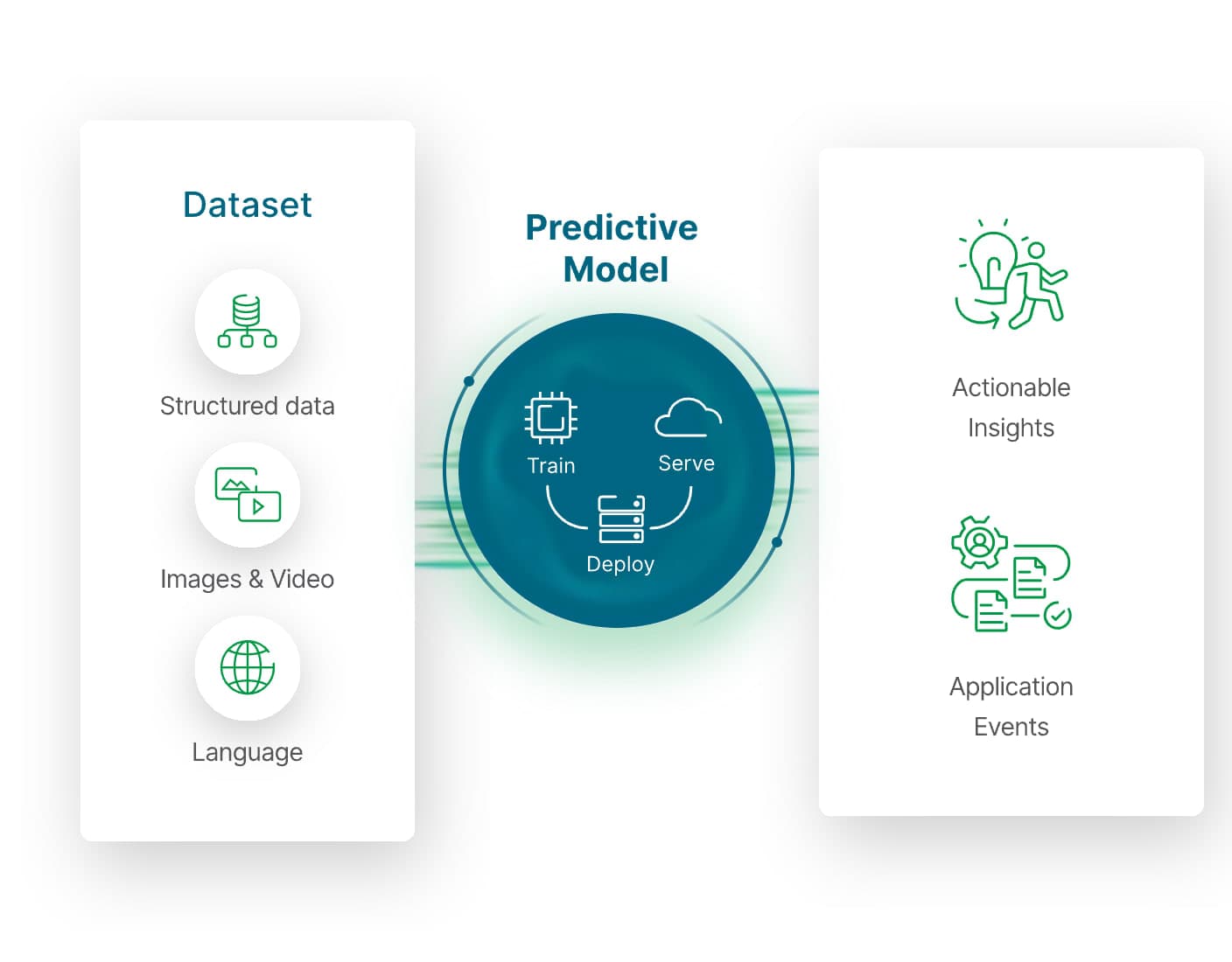
The interface of the future is not interactive—it is anticipatory. At Joraxis, we are moving beyond traditional UI patterns to create what we call 'Neural Interface Logic.' By utilizing advanced Python modeling and real-time behavioral data, our systems learn to anticipate user intent, reducing cognitive load and accelerating operational velocity for enterprise teams.
Data Vectoring & Intent Logic
Every interaction on a screen is a data point. When we analyze these points as vectors, we can determine the probability of a user's next action. Our internal benchmarks show that predictive interface adjustments can reduce task completion time by up to 40% in complex data visualization environments.
| MODEL TYPE | INTENT ACCURACY | COMPUTE COST | LATENCY |
|---|---|---|---|
| BEHAVIORAL_V1 | 78% | Low | 4ms |
| VECTOR_PRED_X | 92% | Medium | 12ms |
| NEURAL_JORAXIS | 99.1% | Optimized | 7ms |
Python as the Logical Backbone
Our intelligence models are built on high-performance Python libraries including Pandas, NumPy, and Scikit-learn. These models are deployed as micro-services within our edge nodes, ensuring that the predictive logic is processed as close to the user as possible. This minimizes the round-trip time between the user's intent and the interface's response.
The Ethical Scale of AI
With great predictive power comes the requirement for absolute transparency. We integrate 'Privacy Logic' directly into our neural models, ensuring that data is processed anonymously. We do not track individuals; we track interaction patterns. This allows us to scale our intelligence nodes globally while maintaining the highest levels of data sovereignty for our partners.
By blending high-end engineering with predictive design, Joraxis is not just building software—we are building the future of human-machine synergy. Trust is the constant. Logic is the variable.